Digital marketing is essential for local businesses seeking to increase visibility and drive customer engagement. Business owners frequently ask how long it will take to realize measurable outcomes. This article examines timelines for paid advertising, SEO, content marketing, and social media, enabling businesses to set realistic expectations and allocate resources effectively.
This guide presents expected timeframes for each digital channel, outlines the primary phases of implementation, and identifies the factors that most influence performance. It also provides practical guidance local businesses can apply to accelerate results. Whether initiating activity or refining existing programs, the information supports strategic decision making.
Understanding digital marketing's broader impact supports sustainable growth and stronger customer engagement for local businesses competing in a crowded market.
Digital Marketing's Impact on Local Business Growth & Engagement
Purpose: This study examines how digital marketing affects local businesses, with emphasis on customer engagement, sales performance, and brand development. It addresses the challenges local businesses encounter when adopting digital tools and strategies to achieve sustainable growth and competitive advantage in a digital-first environment.
The impact of digital marketing on local businesses, Y Yendra, 2024
Paid Advertising
Paid advertising is among the fastest channels for producing results. Campaigns can generate visibility and traffic within days of launch. Effectiveness depends on
targeting precision and creative quality; when executed with rigor, paid campaigns deliver rapid increases in visibility and site visits.
Return on investment (ROI) from paid advertising can be substantial, particularly for local businesses seeking immediate customers. Leveraging platforms such as Google Ads and social media advertising enables precise audience
targeting and efficient deployment of budget.
Research highlights the importance of measuring ROI for paid campaigns, which enables efficient budget allocation and improved competitive positioning for local businesses.
ROI of Paid Ads for Local Businesses: Measuring Campaign Success
The use of paid ads on digital platforms (such as Google Ads and social media ads) has become a core component of contemporary marketing, including within the culinary sector. For cafes in Palangka Raya City,
optimizing paid advertising is necessary to compete and attract customers amid strong local competition. Campaign effectiveness is often measured inaccurately, leading to inefficient budget allocation. This study analyzes the return on investment (ROI) of paid ads and identifies the key factors that most significantly influence campaign success in a number of cafes in Palangka Raya City.
ANALYSIS OF RETURN ON INVESTMENT (ROI) OF PAID ADS AND DETERMINANT FACTORS OF CAMPAIGN SUCCESS IN CAFES IN PALANGKA RAYA CITY, 2026
Search Engine Optimization (SEO)
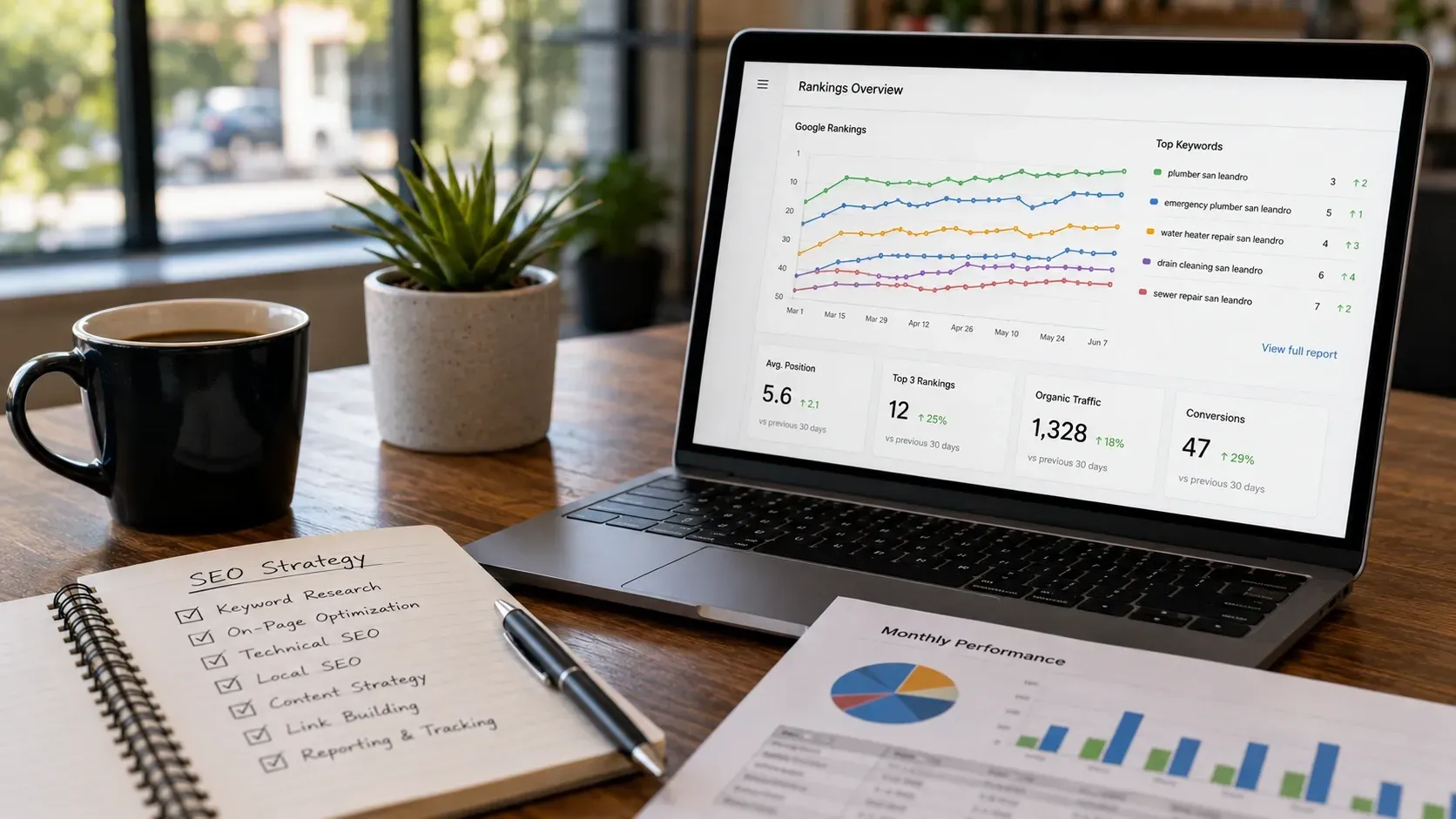
Search Engine Optimization (SEO) is a long-term strategy to improve a website's visibility in search results. Meaningful improvements typically require several months, often in the three- to six-month range. The timeframe varies according to keyword selection, content quality, and industry competitiveness.
Businesses that invest in high-quality content and
targeted keyword strategies can expect gradual increases in organic visibility and website traffic. SEO underpins a sustainable online presence and contributes to market authority over time.
How Long Does SEO Take to Show Measurable Results?
Significant SEO improvements require months of consistent effort. Initial gains may appear within 30 to 90 days, while more substantial outcomes follow sustained optimization as search engines index changes and content acquires traction.
What Factors Influence the SEO Results Timeframe?
Timing is affected by competition, the site's age and authority, and the quality of content and backlinks. Continuous monitoring and iterative optimization accelerate results; businesses should maintain proactive SEO management.
How Does SEO Drive Organic Traffic Growth Over Time?
SEO grows organic traffic through
targeted keyword research, on-page optimization, and steady content production. Focused effort on these elements builds authority and improves rankings, producing sustained traffic growth.
Content Marketing
Content marketing complements SEO and generally follows a similar timeline. It concentrates on producing valuable content to attract and engage target audiences, with expected outcomes including increased brand authority and lead generation.
Effectiveness depends on content relevance and publishing consistency. Businesses that maintain a regular schedule and uphold high editorial standards are more likely to realize positive results over time.
How Long Does Content Marketing Take to Impact Audience Engagement?
Content marketing generally requires several months to materially increase audience engagement. Content quality and consistency determine the speed of relationship building; material that aligns with the target market drives interaction and loyalty.
What Are the Key Metrics to Measure Content Marketing Effectiveness?
Key metrics include website traffic, conversion rates, and social engagement. Regular analysis of these indicators refines content strategy and confirms progress toward marketing objectives.
How Does Consistent Content Strategy Accelerate Results?
A consistent content strategy accelerates outcomes by establishing trust and maintaining relevance. Regular updates sustain effectiveness and support long-term performance for businesses that
prioritize consistency.
Social Media Marketing
Social media marketing can yield visible growth within weeks, with engagement metrics often improving early. It is a key channel for building brand awareness and customer interaction. Paid social delivers rapid reach, while organic growth requires more time but strengthens loyalty.
Effectiveness is driven by content quality and precise audience
targeting. Businesses that tailor engaging content to their audience are more likely to achieve measurable improvements.
When Will Social Media Marketing Begin to Show Business Growth?
Social media initiatives can produce business growth within a few weeks, particularly when combined with paid promotion. Organic community building requires more time as relationships with followers develop.
Which Social Platforms Deliver Faster Engagement for Local Businesses?
Facebook and Instagram are effective platforms for local engagement.
Targeted ads on these channels can reach specific demographics quickly, increasing visibility and interaction with potential customers.
How Does Audience
Targeting Influence Social Media Marketing Timelines?
Precise audience
targeting shortens social timelines. Using demographic and interest-based segments improves engagement and enables faster conversions through systematic retargeting.
Email Marketing
Email marketing delivers immediate engagement and enables direct communication with audiences, supporting long-term customer relationships. Campaign effectiveness depends on list quality and the relevance of email content.
How Long Does Email Marketing Take to Show Results?
Campaigns typically yield immediate feedback through open and click-through rates. Building durable customer relationships via email requires consistent cadence and long-term nurturing.
What Are the Key Metrics to Measure Email Marketing Success?
Primary metrics include open rates, click-through rates, and conversion rates. Regular review of these KPIs informs optimization and enhances overall campaign effectiveness.
Key Phases
Recognizing the key phases establishes realistic expectations. Initial setup—establishing campaigns,
optimizing profiles, and creating content—generally requires one to two months. Thereafter businesses enter monitoring and optimization, with ongoing performance review and adjustment.
What Are the Key Phases in Digital Marketing?
- Initial Setup: Establishing campaigns, optimizing profiles, and creating content (1-2 months).
- Monitoring and Optimization: Regularly reviewing performance and making adjustments (ongoing).
- Scaling: Expanding successful strategies and campaigns based on data (3-6 months).
Overall Factors Influencing Effectiveness
Multiple factors influence the effectiveness of digital marketing strategies. Industry competition, the capability of the agency or in-house team, and consistency of execution all materially affect campaign outcomes.
What Factors Affect the Overall Timeline for Digital Marketing Success?
The timeline depends on selected strategies and market conditions. Resource allocation is a critical determinant; greater investment typically accelerates results.
How Do Budget, Competition, and Industry Influence Marketing Timeframes?
Budget size significantly affects campaign velocity and reach. The level of industry competition influences how quickly a business can attain visibility;
organizations must align budgets with market dynamics to
optimize timelines.
What Is the Typical Digital Marketing Timeline for Small and Medium Local Businesses?
For small and medium local businesses, timelines follow the key phases described. Establishing a digital presence typically takes about one month. Paid campaigns can be launched within one to three months, while effective SEO implementations commonly require three to six months.
Different digital marketing channels produce varied timelines. Paid advertising may yield initial results within days, whereas SEO generally requires several months for meaningful improvement. Social media can enhance visibility quickly when supported by paid strategies.
What Are the Expected Timeframes for Lead Generation and Online Visibility?
- PPC Advertising: This method can yield immediate results, often within days.
- SEO: Typically takes several months to achieve meaningful improvements.
- Local SEO: Can lead to increased visibility in as little as 30 to 90 days.
What Role Does Transparent Reporting Play in Managing Client Expectations?
Transparent reporting is essential for managing client expectations about timelines. Clear, regular updates and performance metrics establish realistic expectations and build trust between agency and client.
How Does Transparent Reporting Enhance Client Relationships?
Regular performance metrics and clear updates foster trust and transparency, which are fundamental to strong client–agency relationships. Providing clients with actionable insights into their campaigns enables more effective expectation management and drives improved outcomes.
Understanding timelines for each digital strategy enables local businesses to set realistic expectations and
optimize investment. Combining paid advertising for immediate visibility with SEO and content marketing for long-term growth enables measurable outcomes over time.
To learn more about how we can assist,
contact us.
Frequently Asked Questions
What is the importance of setting realistic expectations in digital marketing?
Setting realistic expectations prevents frustration and enables effective resource allocation.
Recognizing that different strategies have different timelines supports disciplined planning and sustained commitment, which improves long-term results. Clear communication about timelines and expected outcomes also strengthens client–agency trust.
How can local businesses
optimize their digital marketing strategies for quicker results?
Local businesses can accelerate results through
targeted campaigns, rigorous data analysis, and a consistent content calendar. Paid advertising delivers immediate visibility while concurrent optimization of SEO and content expands organic reach. Continuous review of performance metrics allows adjustments that improve efficiency and impact.
What role does audience engagement play in the success of digital marketing?
Audience engagement is fundamental. High-quality, relevant content and active interaction increase loyalty and conversion rates. Engaging audiences via social media, email, and content builds trust, encourages referrals, and enhances a business's local visibility and reputation.
How can businesses measure the effectiveness of their digital marketing efforts?
Effectiveness is measured using KPIs such as website traffic, conversion rates, engagement metrics, and ROI. Tools like Google Analytics and platform insights provide actionable data on user behavior and campaign performance. Regular analysis identifies improvement opportunities and ensures alignment with business objectives.
What are the common pitfalls to avoid in digital marketing?
Common pitfalls include unclear goals, insufficient audience insight, and failure to review performance data. Inconsistent messaging and lack of engagement also undermine results. Mitigate these risks by setting measurable objectives, conducting thorough market research, and maintaining a disciplined content program. Proactive adaptation improves outcomes.
How does competition affect the timeline for digital marketing success?
Competition influences timelines: in highly contested industries, outcomes may take longer to
materialize. Established competitors make ranking and visibility more challenging. Businesses should emphasize distinct value propositions, niche
targeting, and precise advertising. Differentiation and continuous optimization can accelerate progress despite competitive pressures.
Conclusion
Understanding timelines across strategies enables local businesses to set realistic goals and allocate resources effectively. Employing paid advertising for immediate visibility while investing in SEO and content for sustained growth produces durable results. Active engagement through social and email channels strengthens customer relationships. To discuss tailored strategies that elevate your digital marketing, contact us.